
On 6 April 2025 Britain abolished the non-dom regime, under which wealthy foreigners paid tax only on their UK income. In the year and a half since, the top of the London market has cooled: there are fewer deals, and prime central prices fell 7 to 9% over the year. Some long-standing owners put flats and houses up for sale, and other buyers moved in to take their place. We look at who is buying London now, and why for some buyers this is a window rather than a risk.
Contents:
- The non-dom abolition: what changed
- Why prime central fell
- Who is selling and who is buying now
- A window for the buyer
- Who this window is not for
- Popular questions
The non-dom abolition: what changed
Non-dom (short for non-domiciled) is the status of a tax resident whose permanent home is treated as being in another country. It let people live in Britain for years without paying UK tax on foreign income, as long as they did not bring it into the country. For many wealthy families that was the very reason to keep both their tax base and their property in London.
Since April 2025 the regime has gone. In its place came a residence-based test: new arrivals who were not UK tax resident in the previous 10 years get relief on foreign income for their first 4 years, after which tax is charged on worldwide income. Inheritance tax has also moved to a residence basis — a worldwide estate falls within it after 10 years of residence. For long-standing foreign residents the main reason to keep a tax base in Britain has gone, and some of them chose to sell and leave.
Why prime central fell
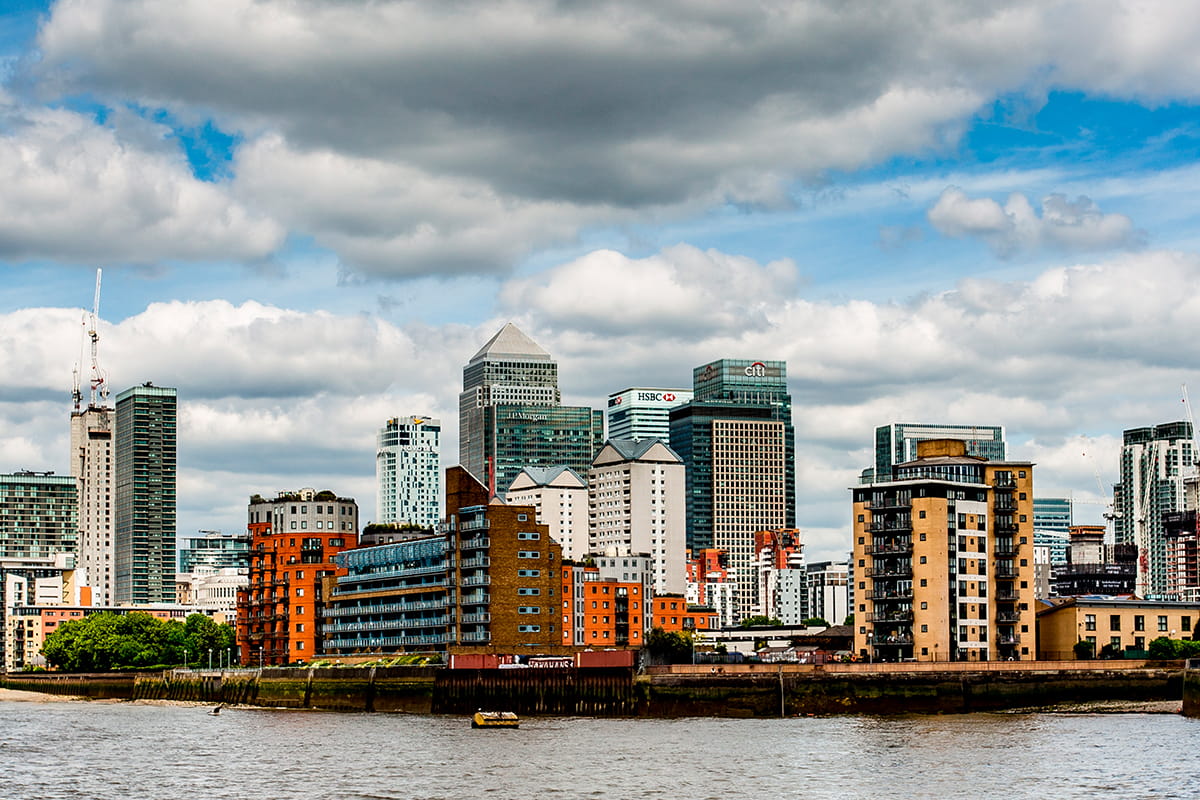
Prime central London is the most expensive part of the centre: Westminster with Mayfair and Belgravia, Notting Hill, Kensington and the surrounding areas. The blow landed hardest here, and not because of the economy, but because of taxes. On top of the non-dom abolition came the stamp duty surcharges: 5% for an additional property and 2% for a non-resident buyer. The top end, where much of the foreign buying sits, reacted first.
| Indicator | Value |
|---|---|
| Non-dom regime abolished | 6 April 2025 |
| Claimed non-dom status in 2023–24 | about 73,700 people |
| Of them qualify for the new 4-year relief | about 14,800 |
| Prime London sales, H1 2026 vs 2025 | −12.7% |
| Prime central prices, year to summer 2026 | −7 to −9% |
| Below the 2014 peak | more than 25% |
| Market forecast for 2026 | around 0% |
| Five-year forecast | +8.1% |
The most expensive addresses in the centre fell the hardest, and the correction carried on into 2026. Against its 2014 peak, prime central London now sits more than a quarter lower.
Who is selling and who is buying now
The sellers are mainly long-standing owners of the top segment. The scale shows in the tax figures: only about one in five of those who used to hold non-dom status qualify for the new relief. Supply has risen, but the market has already absorbed the main wave of the exit.
The buyers have changed. Three groups are now moving into prime London:
- Americans — with a strong dollar, UK property has become cheaper for them twice over: on price and on the exchange rate.
- Buyers from the Middle East — capital long familiar to London, for which the asset itself matters more than the tax regime.
- Domestic British buyers — picking up on the correction what used to go to foreign buyers.

A window for the buyer
The market forecast for 2026 is around zero: analysts expect the fall to stop rather than a fresh leg down. Over a five-year horizon the forecast is positive, at +8.1%. In other words, the entry now is at reduced prices, counting on recovery rather than on quick growth.
This is a window for someone who counts the entry by its full cost and holds for 5 years or more. The tax and surcharges at entry pay off over time, not through a quick resale. The full breakdown of costs at the deal and per year is in a separate article on the cost of buying for a non-resident.
Who this window is not for
Anyone who needs quick liquidity: in the summer of 2026 London sells more slowly than any region in the country, on average 73 days to a buyer, while the choice of homes is the widest since 2010 — you would be selling into a competitive field. It is also not for a short holding period: the high tax at entry cannot be recovered in a year or two. Nor for high leverage: the average two-year fixed mortgage is holding at around 5%.
Popular questions
Who is the main buyer of prime London now?
Americans, buyers from the Middle East and domestic British buyers. The wave of selling by former non-doms has given them a choice they did not have before.
Non-dom has been abolished — does that make buying pointless for a foreigner?
Buying property and the owner's tax status are two different things. You can own a flat and let it as a non-resident; the taxes at the deal and on ownership have not changed for a foreigner because of the non-dom abolition.
Has prime central already hit the bottom?
Market forecasts put 2026 at around zero — that is stabilisation, not a guarantee of the exact low point. Over five years +8.1% is expected.
How much cheaper is prime now?
More than a quarter below the 2014 peak, and over the past year prices in the centre fell 7 to 9%.